CULTIVATION solutions for cultivation associations
Whether you are a cultivation association or a cannabis social club: when membership numbers are difficult to predict, you need facilities that grow with you. CarbonActive delivers the only truly scalable system: IGC for IGC, following demand.
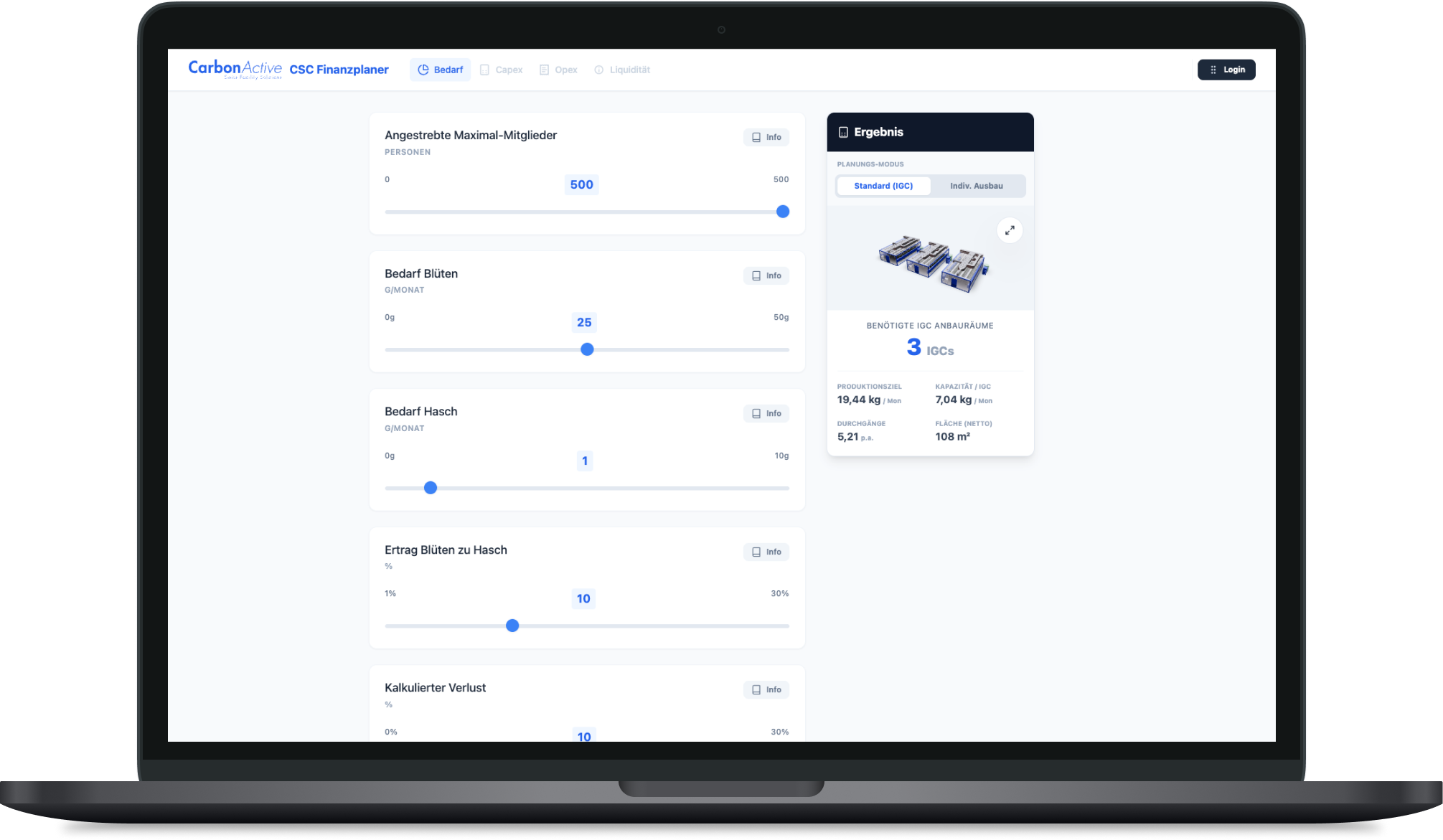
Financial planner for cultivation associations
Honest planning does not start with the IGC, but with the question: What does the set-up cost, what are the benefits of the levy, and will the liquidity last until the first harvest? The CarbonActive CSC financial planner was specially developed for cultivation associations and takes all relevant items into account - from the IGC investment and operating costs to harvest and levy cycles.
- Demand planning according to number of members
- Liquidity calculation over several cultivation cycles
- Comparison of IGC variants vs. custom facility
- Instant ROI overview - free of charge and browser-based
How many members per IGC?
Know the numbers before you invest: How many members you serve with each Indoor Growing Compartment - and how your facility can scale as your membership grows.
at 25 g / month
at 25 g / month
at 25 g / month
at 25 g / month
From the law to the current association
The Cannabis Act provides the framework, but every association founded is different. If you start early, you can build up a modular structure - without having to commit to a certain number of members.
KCanG in force
The Cannabis Act comes into force - consumer cannabis and home cultivation become legal
Growers' associations
Cultivation associations can be applied for - up to 500 members per association
First licenses
Federal states issue permits - the market is forming faster than predicted
Scaling question
Growing membership figures meet tight budgets - modular facilities have an advantage
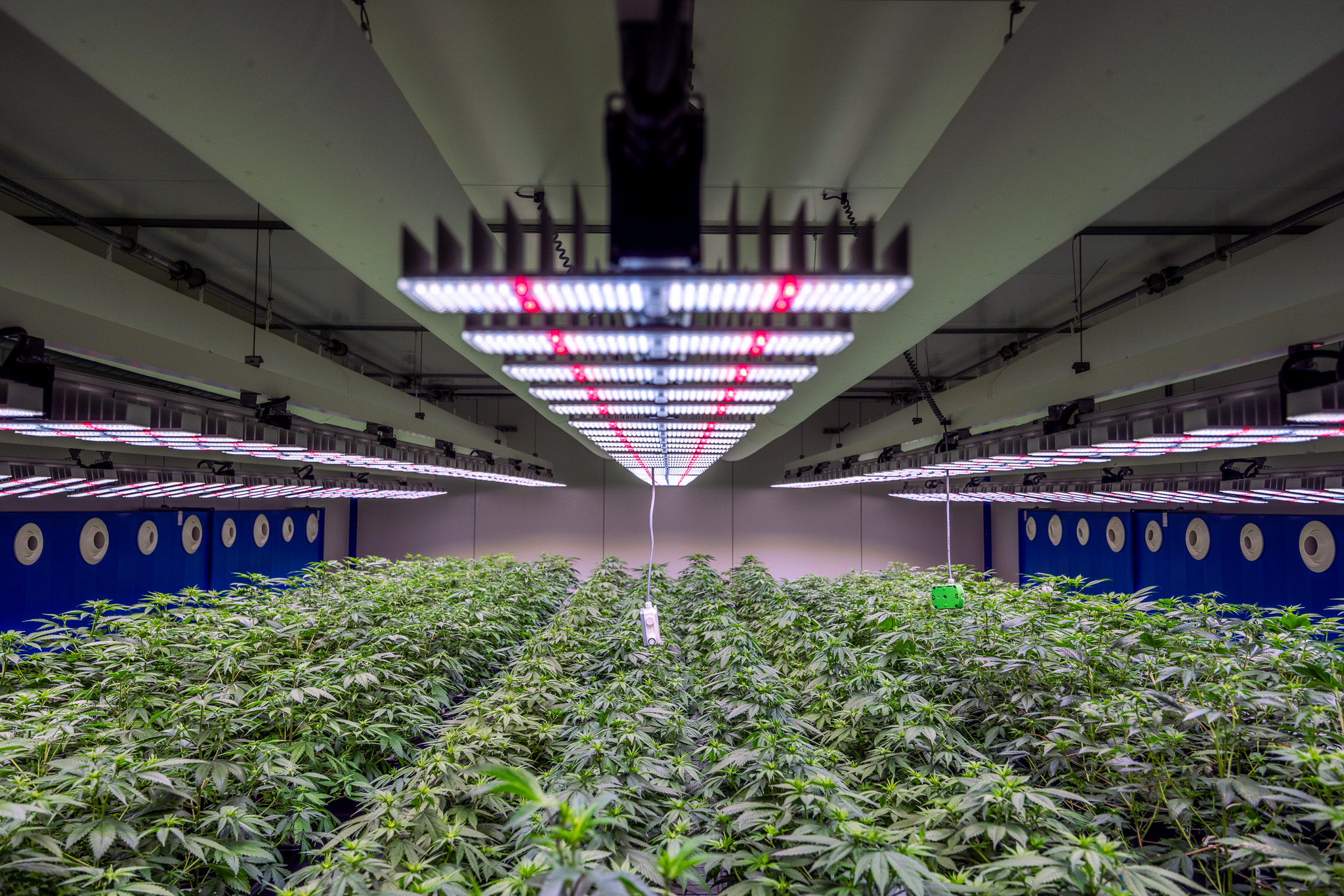
Indoor Growing Compartments
This is precisely the strength of the IGC: you start with the requirements of today and grow IGC by IGC with your number of members. Both climate variants deliver the same yield - you choose whether you need summer daytime operation or not.
IGC Basic
Seasonally optimal- Energy recovery for passive cooling & dehumidification
- Optimum climate for approx. 70 % of the year without aids
- In midsummer: light phase at night, dark phase during the day
- Integrated active CO₂ fumigation
- 4 walls, lateral ventilation, height-adjustable lighting
- 36 m² net cultivation area (50-60 m² gross)
- Upgrade to Professional possible at any time
IGC Professional
Daytime operation all year round- All the basic features plus:
- Industrial climate control system with outdoor climate control unit
- Energy-saving dehumidification through waste heat recovery from cooling
- Light phase also possible during the day all year round
- Low temperature and air humidity - even on humid days
- Ideal for crop steering & rockwool cultivation
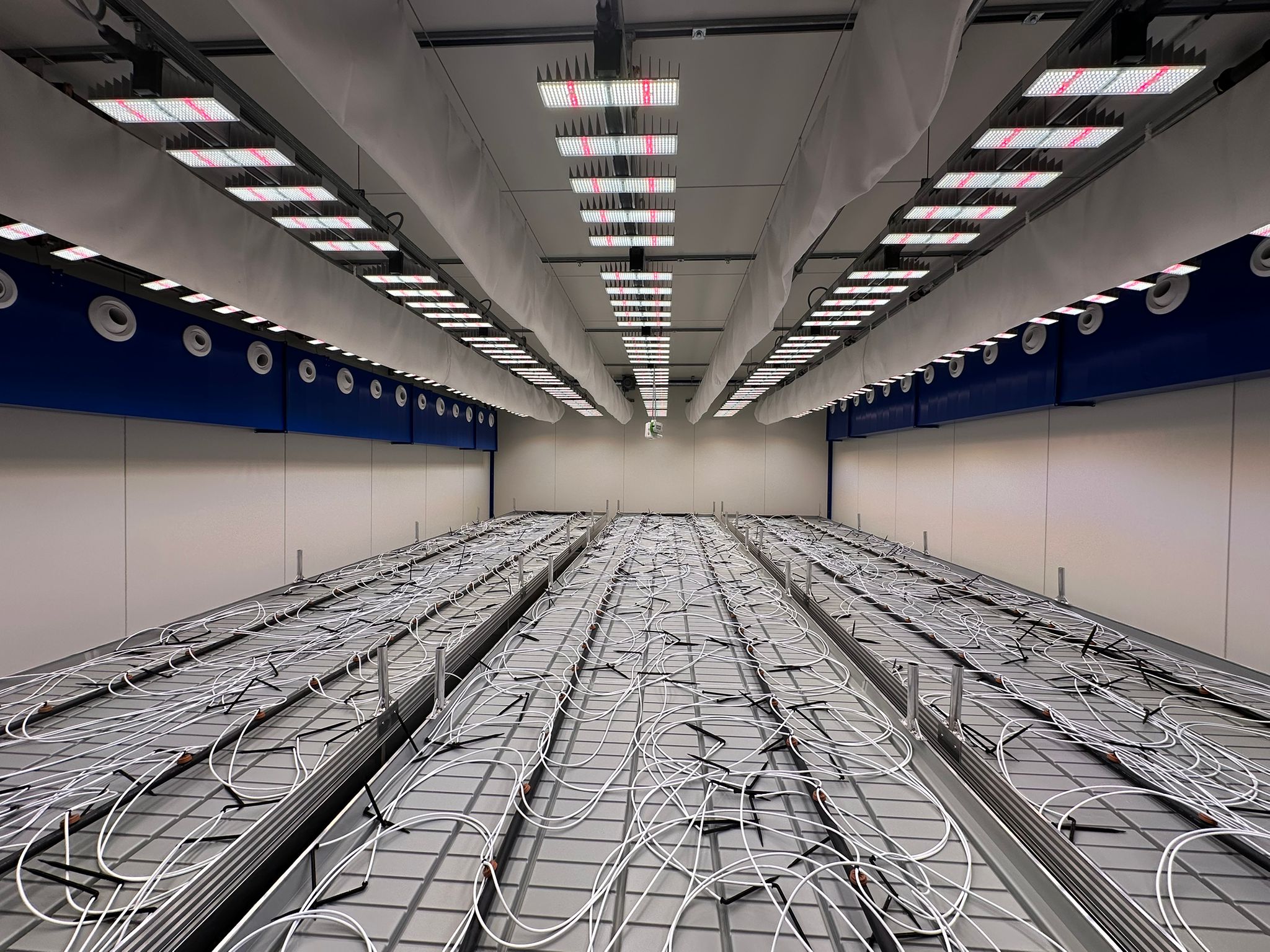
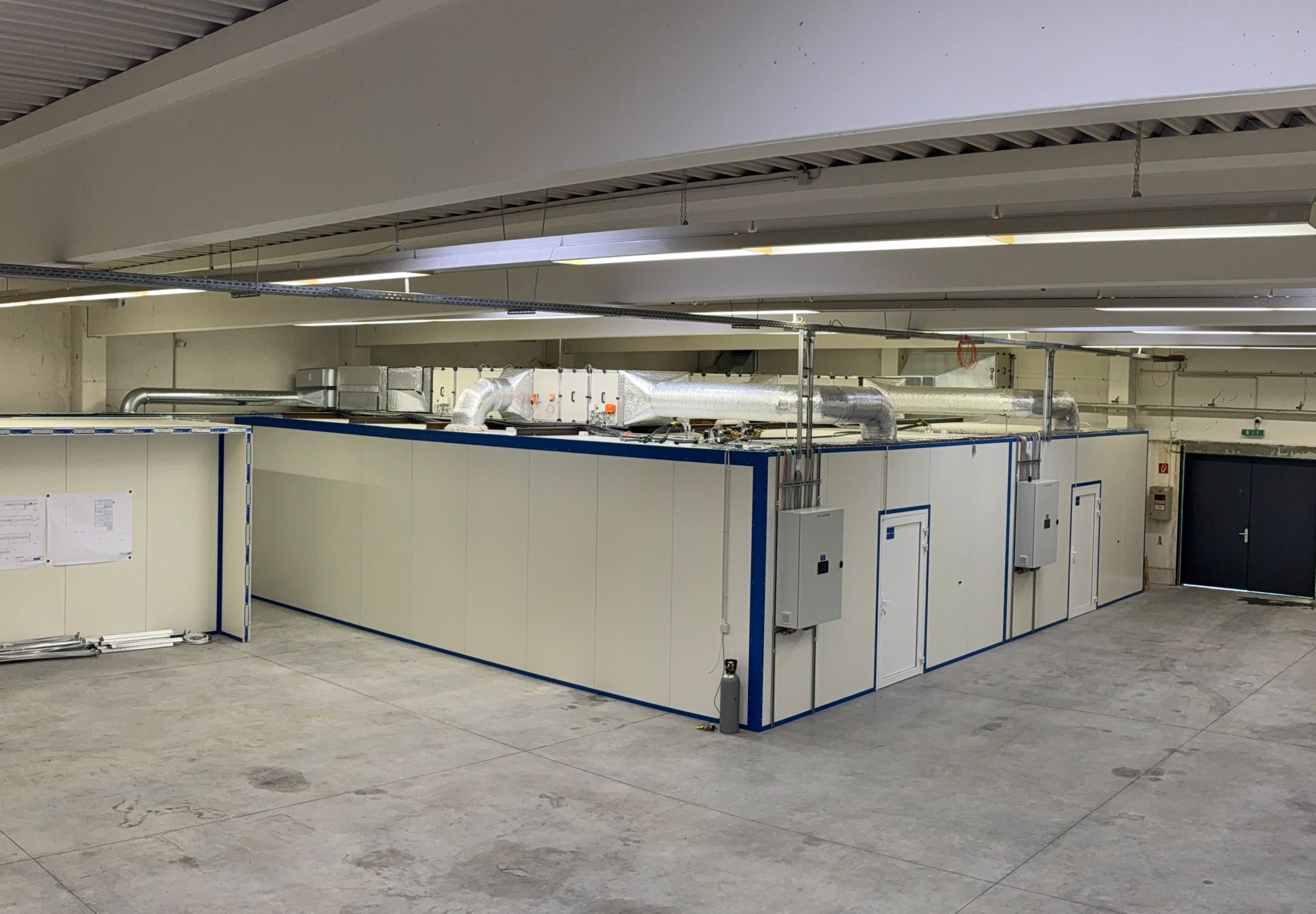
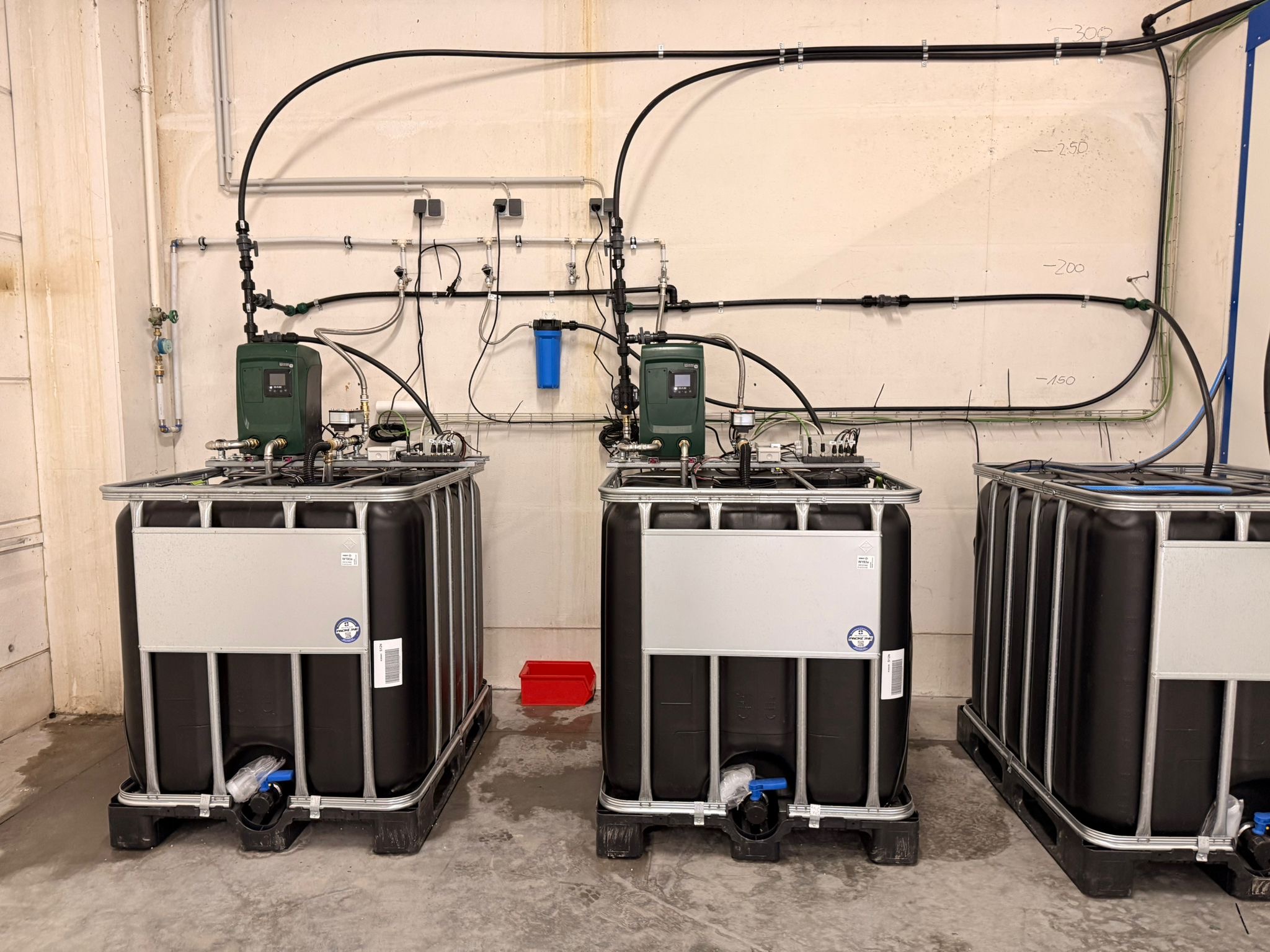
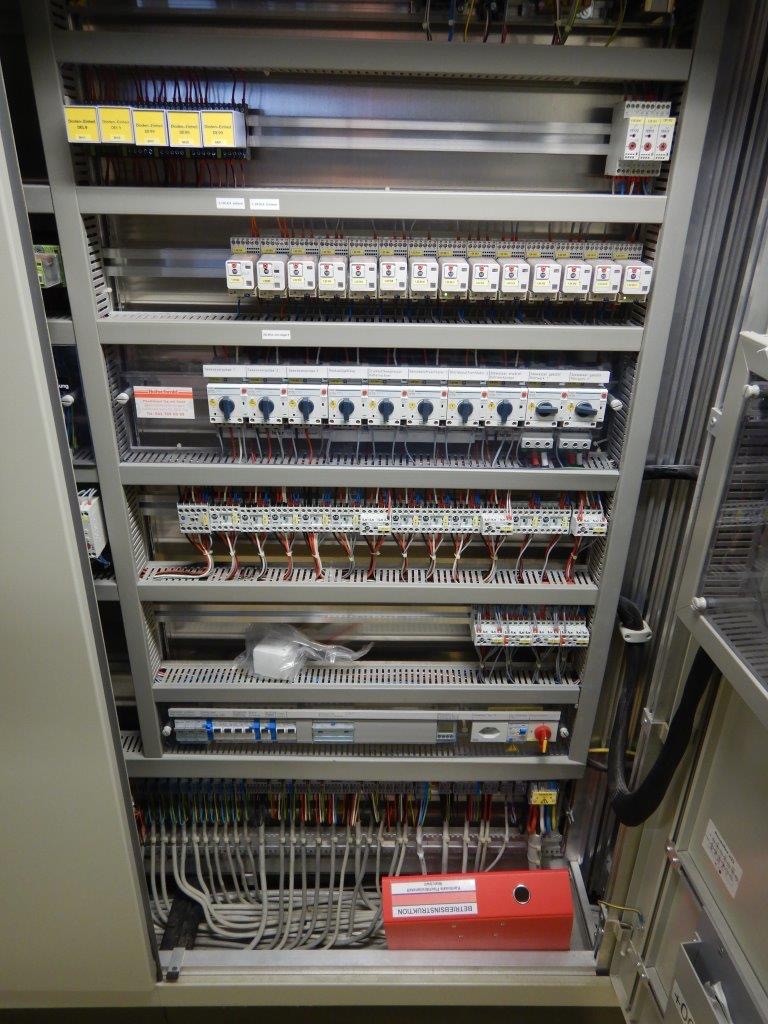
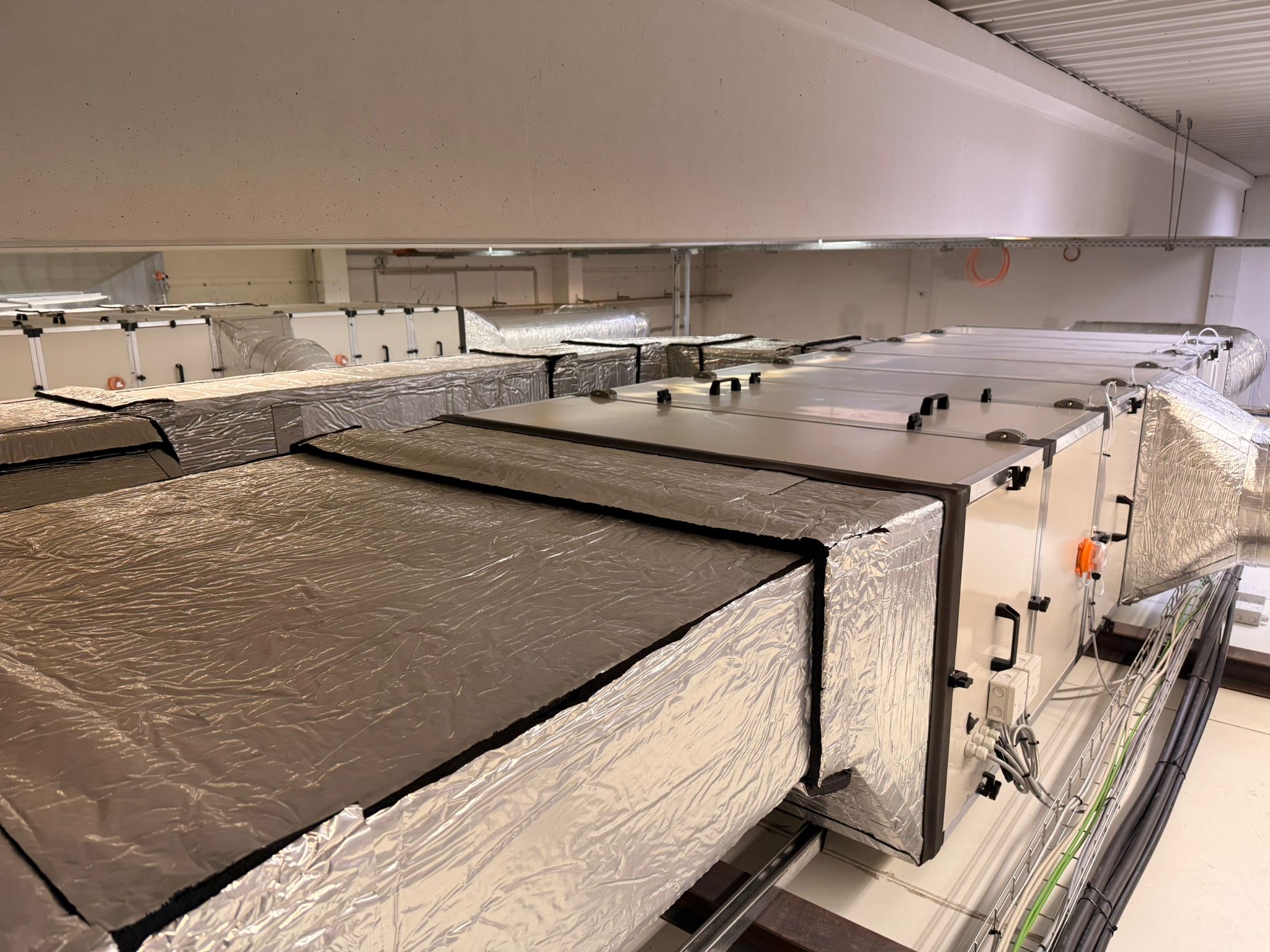
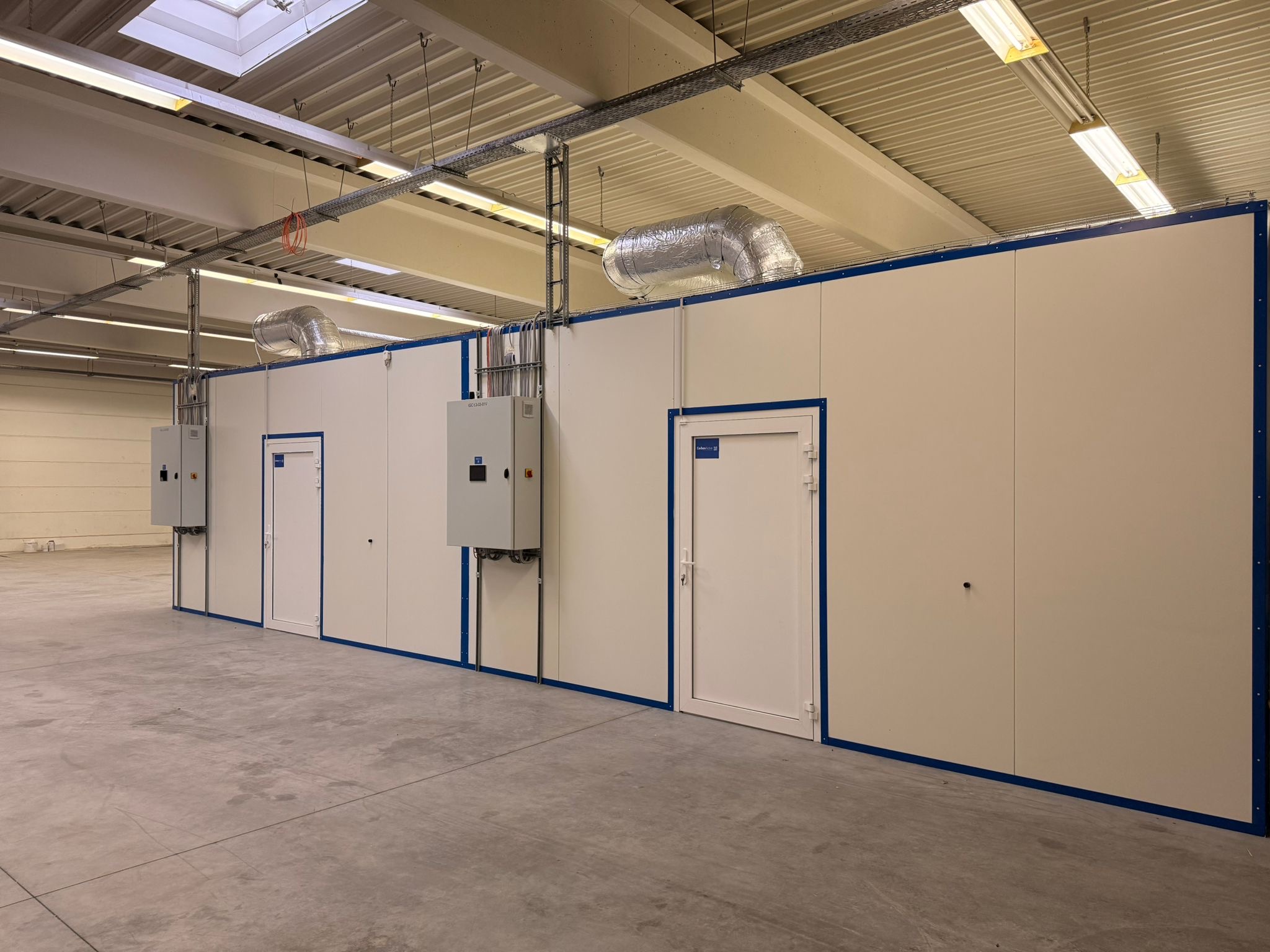
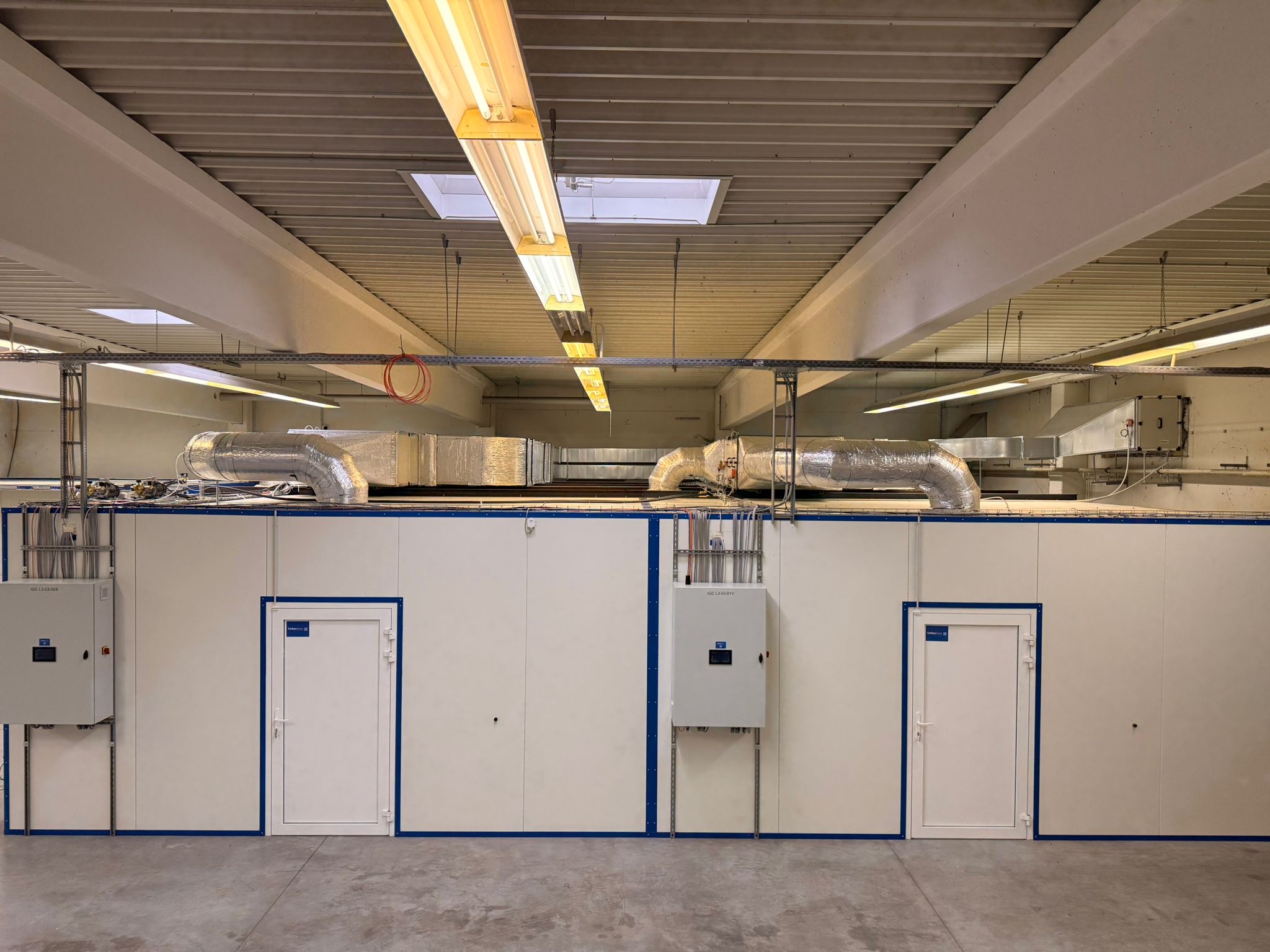
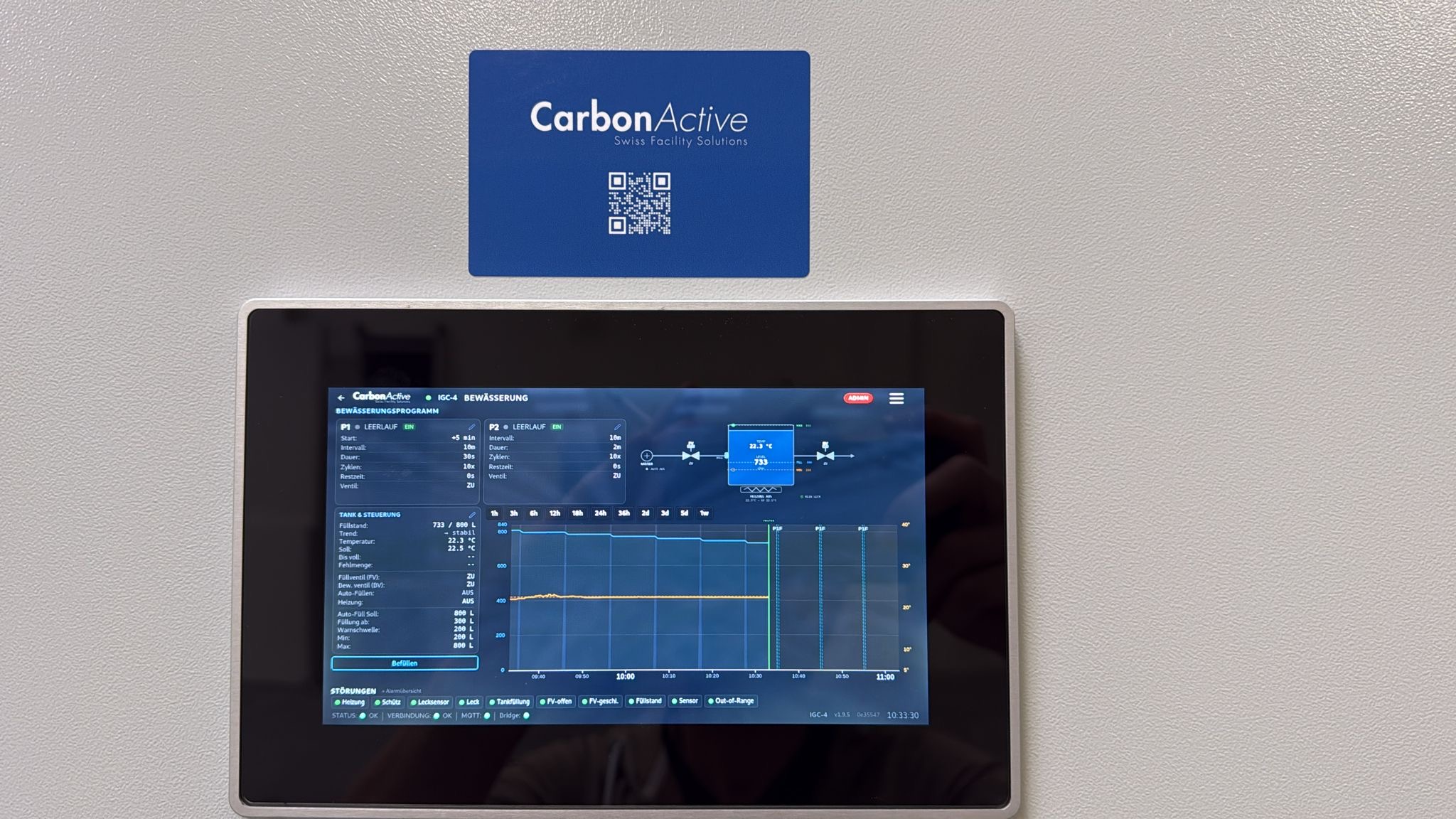
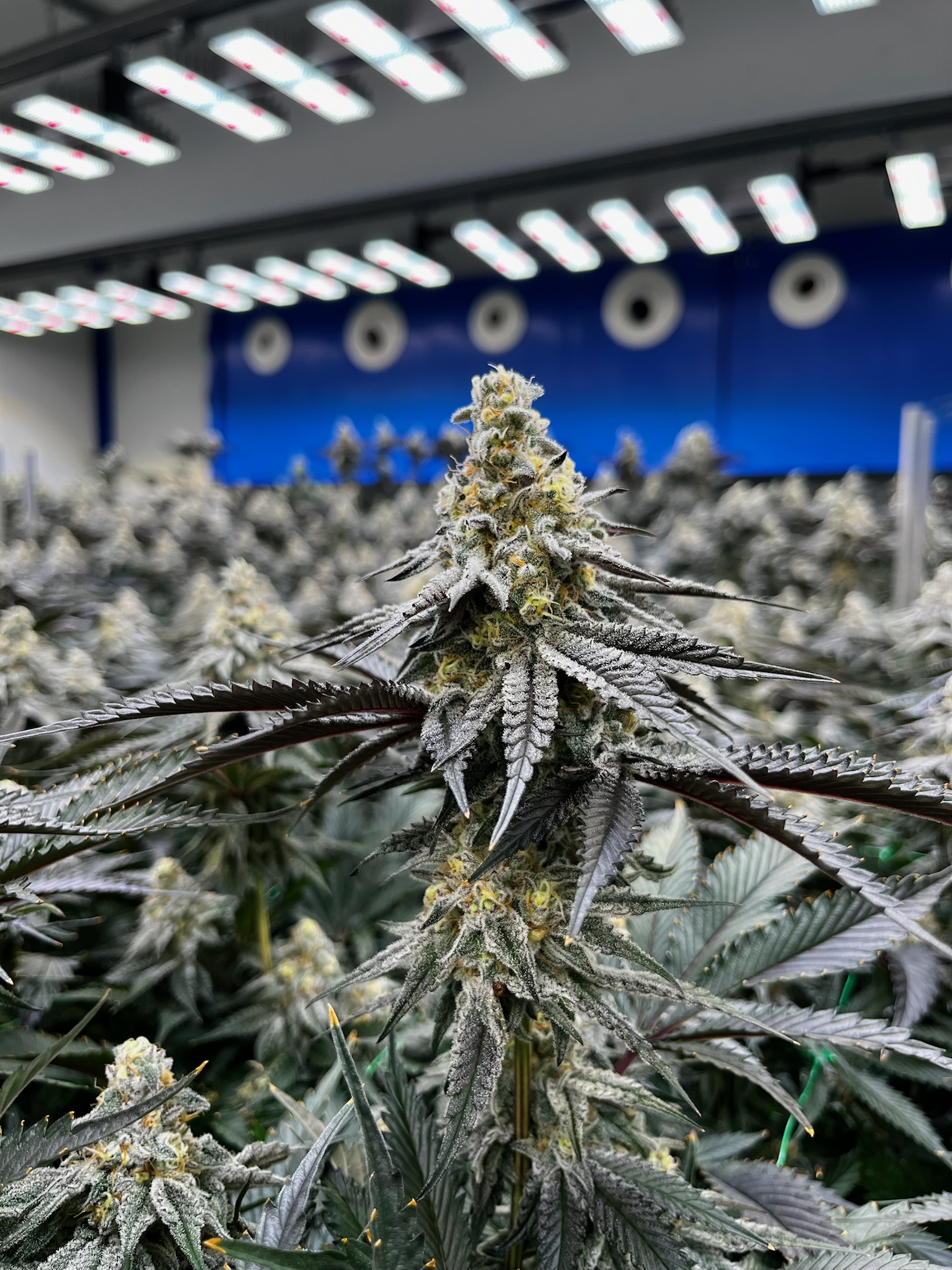
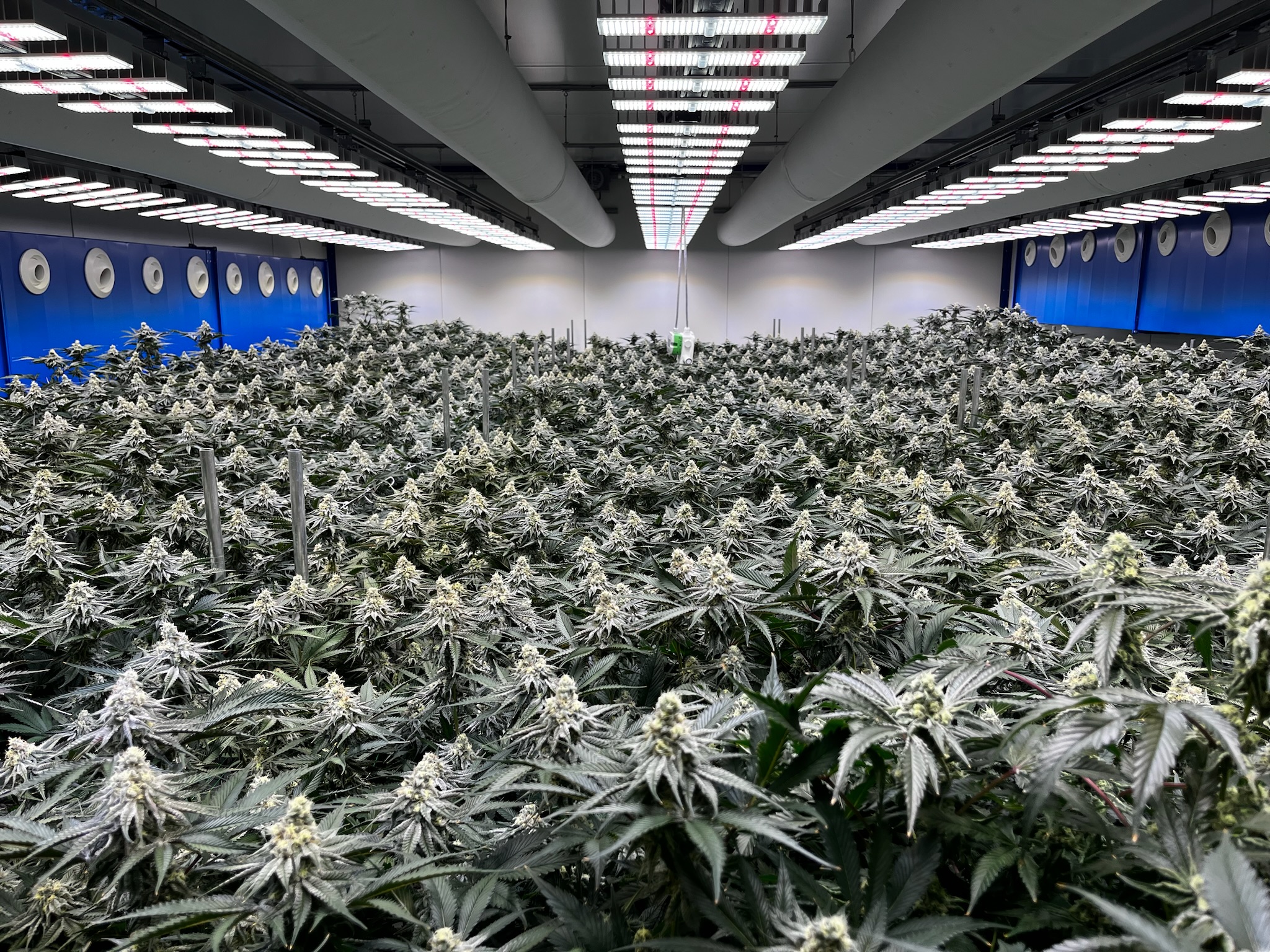
Impressions from realized facilities
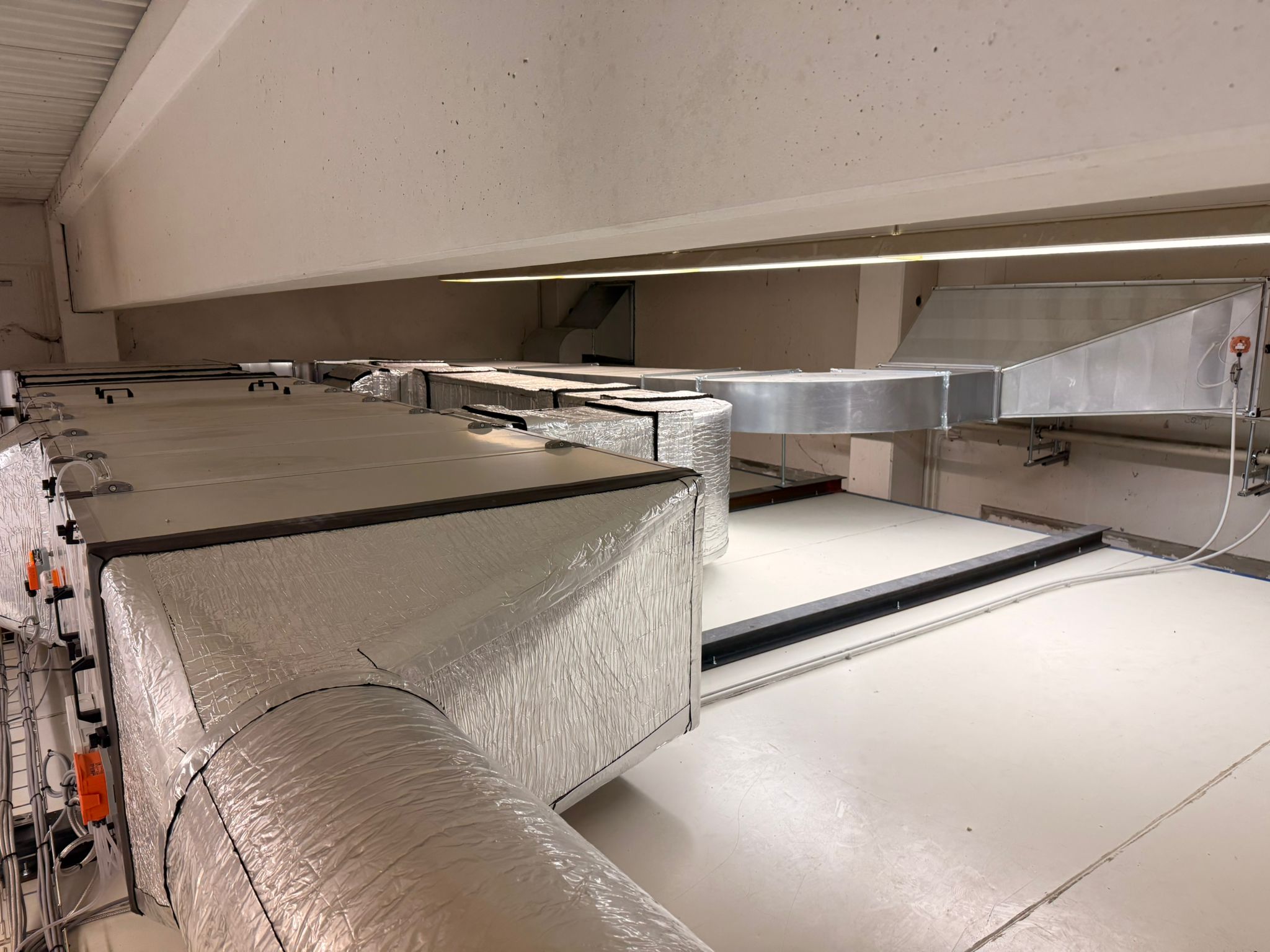
Insights into built indoor growing compartments - from the air-conditioning technology to the finished cultivation room's.
Custom Facilities
For projects with 4 IGCs or more (144m² net cultivation area), it is worth planning a customized facility with an optimized climate control system.
- Highly efficient, fully integrated air conditioning system
- Lower initial and ongoing costs per m²
- Economies of scale through central components
- Tailor-made for your building characteristics
Competitive advantage in Central Europe
What many overlook: Where the IGC is located determines how efficiently it runs. Central Europe's temperate climate is not a disadvantage for our technology - it is its greatest lever.
-
8 months optimal conditions
The cool, but not bitterly cold outside temperature in Germany is ideal for passive cooling and dehumidification.
-
Summer air humidity below 60%
In contrast to other regions, air humidity remains moderate in the summer - ideal for open and SemiLoop ventilation systems.
-
SemiLoop technology
Our hybrid system combines energy-saving climate control with the performance of closed systems.
SemiLoop technology
Harnessing the climate advantage is the real engineering achievement . Three generations of climate control systems lead to our hybrid answer.
Open systems
20 years agoModerate electricity prices, less sensitive genetics, NDL lighting as standard.
CLOSED SYSTEMS
Last 10 yearsDevelopment for higher quality requirements and LED technology.
Hybrid SemiLoop
CarbonActive InnovationCombines energy-saving climate control with dehumidification performance of closed systems.
Electricity savings in comparison
Climate control electricity consumption in Central Europe
How climate control works in the IGC
The diagram shows the complete air treatment process in an IGC realized : First, the Energy Recovery Group heat exchanger passively transfers the energy of the warm return air to the cold outside air. If this is not sufficient, the filter, cooling and reheater take over the active conditioning - until the supply air is exactly at setpoint. In this way, the climate in the cultivation room'S remains stable, with minimal energy consumption.
Energy-saving
Optimized use of outside air with 8 months of optimal conditions
Low fluctuation
Constant climate conditions for maximum yields
PLC-controlled
Precise control systems via sensors, control technology and control cabinet construction
Energy recovery
Up to 80% heat recovery from the exhaust air
Energy Recovery (ERG)
At the heart of every SemiLoop facility is a heat exchanger that recirculates the exhaust air energy. This is where most of the electricity savings are generated in open operation - and the basis for closed operation is laid.
HEAT EXCHANGER principle
More than 80% of the heat energy is transferred to the supply air when the exhaust air is discharged. No additional heating is required when the lighting is switched on.
Passive dehumidification
In cold, dry outside air, the system passively dehumidifies without additional power consumption.
Passive cooling
If the outside air is colder than in the cultivation room's, energy-efficient cooling takes place via the ventilation system.
Active heating
Only when the energy recovery reaches its barriers (e.g. winter when the lights are off) is the system actively reheated.
Energy recovery
80%+Heating without electricity: the hot water tank
The Energy Recovery Group recovers the heat from the exhaust air - what happens to the heat that the active air conditioning system dissipates at the height of summer? With conventional closed systems, it is lost and must be replaced in the dark phase with electric heating coils . Twice the energy for the same cultivation room'S.
In the IGC Professional, we store this waste heat in a hot water tank and use it to reheat the room, when the lighting is switched off. This makes closed operation significantly more energy-efficient - and dehumidification without electrical reheating practical in the first place.
- Waste heat from the climate control system is stored instead of dissipated
- Dehumidification without separate electric heating
- Closed operation as efficient as open systems
Technical components
Energy Recovery Group and hot water tank are just two components. Six components matched to each other turn your warehouse into a cultivation room's ready for production.
AHU - Air Handling Unit
The heart with pre-filter, energy recovery and activated carbon filter for odor-free operation.
- Pre-filter for harmful particles
- Activated carbon filter Odor protection
- Integrated control systems
Lateral ventilation
Optimized ventilation via the sides for even air circulation without direct draughts on the plants.
- 3 variants selectable
- Electrically height-adjustable optional
- Even air circulation
HEAT EXCHANGER
Highly efficient heat transfer between supply and exhaust air for maximum energy savings.
- >80% heat recovery
- Passive dehumidification
- Integrated hot water tank
Control cabinets & BMS
Intelligent building control with modern PLC technology for precise climate control.
- Modern PLC control systems
- Sensors & control technology
- Remote access possible
CO₂ fumigation
Integrated system for active CO₂ supply in the initial weeks during closed operation.
- Integrated in all IGCs
- Humidity maintenance
- Healthy plant growth
Tables & lighting
Optimum use of space with movable benches and electrically height-adjustable lighting mounts.
- 36m² net cultivation area
- 900 or 1300 µmol/m²/s
- Electrically height-adjustable
Lighting configuration
One of the few places where you actively configure: How much light should fall on your plants? There are three light levels to choose from - each with its own climate planning.
850 µmol/m²/s
Lower light intensity with moderate climate requirements. Ideal for beginner projects and cultivation that is gentle on the variety.
1000 µmol/m²/s
Sweet spot between yield and efficiency. Balanced ratio of light intensity and climate effort.
1150 µmol/m²/s
Maximum light intensity for maximum yields. Increased climate requirements - ideal for crop steering professionals.
Standard equipment in every IGC
Room layout: many small vs. few large rooms
With the light intensity, you know how much will grow per square meter - now it's a question of how many rooms will fit in your warehouse. This decision influences risk, flexibility and costs.
| Criterion | Few large rooms | Many small rooms |
|---|---|---|
| Loss risk | Lower | Lower |
| Variety of strains | Limited | High |
| Staff utilization | More difficult | Optimal |
| Response options | Limited | Flexible |
| Cost per m² | Lower | Higher |
| Ideal for areas | From 144m² (4 rooms) | Less than 144m² |
Our recommendation
36m² net cultivation area per room is the sweet spot - lots of small but not too expensive rooms. From 144m² 4 rooms are recommended, from 288m² already 8 rooms.
Profitability & return on investment
You now know the system, the configuration and the rooms - the question remains: What does it cost, and from what number of members does it pay for itself?
When will your facility pay for itself?
Cultivation associations have a decisive advantage over the black market: distribution to members is legal, plannable and can be regulated. In a scenario with 275 members, 25 g monthly purchase and 9 €/g dispensing price, a single IGC typically pays for itself within 12 months - regardless of the variants, as the yield remains the same. You can use the financial planner to calculate this exactly for your assumptions .
Scenario: 275 members
One IGC with 25g purchase/month and 9€/g selling price
Same yield, more convenience
Professional means no more harvest - but daytime operation even in midsummer
Emergency situation can be secured
IGCs can be dismantled and relocated - easy to resell if the association is dissolved
From planning to the first harvest
Once the figures are finalized, things get concrete: six phases lead from the first meeting to commissioning. Much faster with IGC facilities - and can be expanded at any time depending on the club's growth.
Concept development
Required cultivation area, cultivation method, climate conditions, planning Adjoining rooms
2-6 weeksRough planning
On-site visit incl. measurements, cost estimate, finalization Room layout
2 daysDetailed planning
Preparation of building applications, identification of suppliers, finalization Building planning
2-3 daysManufacturing
Planning delivery deadlines, in-house production, determine final budget
8-12 weeksInstallation
Construction measures, BMS programming, final building acceptance
1 week per IGCCommissioning
Handover to customers, training systems, cleaning & maintenance plan
1 dayIGC facility: If the number of members is unclear, the IGC is the right choice - You start small, use with additional IGCs as required and can even dismantle and take with you if the club is dissolved or moves location.
Custom facility: If 500 members are already secured, a customized facility is worthwhile - lower costs per m², fully integrated air conditioning system, economically sensible from 4 IGCs (144 m²).
Already realised: Southside Organics
How a cannabis social club realized its own cultivation facility with CarbonActive - from the climate concept to IGC planning and ongoing operation. A concrete example of how scalable indoor technology works in everyday club life.
To the reference pageReady for your cultivation associations?
We support you from the initial financial plan to the scaled facility. Let us discuss the right size, the right pace and the growth path for your association - free of charge and without obligation.